Archive for the ‘chinking’ Category

How Much Chinking Do I Need for My Log Home?

Saturday, June 7th, 2008

Do I Need Chinking?

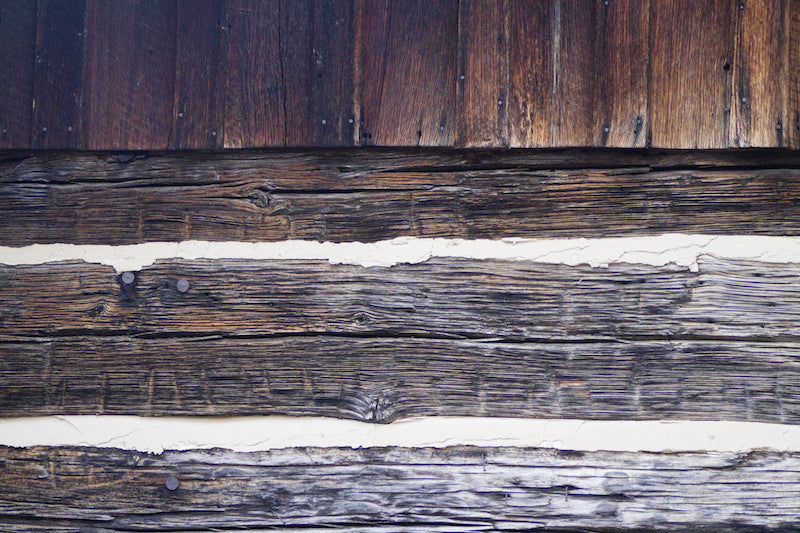
Chinking for log homes can be used for aesthetic reasons or can be done to ensure the elements stay outside. Some homeowners like the look of chinking while others do not want to see any chinking on their home. Chinking can be installed by professionals or homeowners. It takes a lot of patience, time and energy to get the job done properly. Below you will find coverage rates, installation tips and available colors.

Available Chinking Colors:
Buff, Tan, White White, Mortar White, Woodtone Cedar, Light Gray, Khaki and Pecan

Chinking Installation Tips:

  1. Start with dry logs. Their moisture content should be below 20%.
  2. Apply log stains before installing the chinking material.
  3. Clean your logs prior to applying any chinking material. Any loose debris, dirt, dust or grease could adversely affect the adhesion of your chinking.
  4. Install backer rod before applying any chinking products. Backer rod is available in closed cell and open cell forms.
  5. Select a chinking material that is going to be compatible with your log home stain. If you are unsure about the compatibility of your log chinking and your log home stain then speak with the manufacturers of both products.
  6. Do not apply Log Jam or Chinker’s Edge in direct sunlight. This could lead to blisters in the material.
  7. Apply 2 to 3 feet of material at a time and then work the material with a foam brush or trowel.
  8. Use a spray bottle to mist the chinking if it dries too quickly.
  9. Do not get Log Jam or Chinker’s Edge too wet because it will become more difficult to tool.
  10. Clean as you go. Soap and water can be used if the material has not dried.
  11. Chinking should be installed to a depth of at least a 1/4” and no more than 1/2”.
  12. Have fun and remember that the more chinking that you install the better you will become at applying it.

Coverage Rates per 5 Gallon Bucket of Chinking:
½” x 1” Wide Chinking Joint= 195 Lineal Feet
½” x 2” Wide Chinking Joint= 95 Lineal Feet
½” x 3” Wide Chinking Joint= 65 Lineal Feet
½” x 4” Wide Chinking Joint= 45 Lineal Feet

Product Coverage Rates per Case of 29oz Tubes of Chinking:
¼” x ½” Wide Chinking Joint= 308 Lineal Feet
¼” x ¾” Wide Chinking Joint= 231 Lineal Feet
½” x 1” Wide Chinking Joint= 154 Lineal Feet

For more information about chinking material, product warranties, application tools or contractor referrals contact Mountain Home Building Products toll free at 800-490-3695.

Log Jam Chinking: The Best Chinking for Your Log Home

Friday, May 30th, 2008

Log Jam chinking is designed to help keep bugs and the elements on the outside of your log home. Log Jam chinking has been manufactured by Sashco for the past 30 years. It is one of the original products specifically designed for the log home market. Log Jam is available in the following colors: white white, mortar white, buff, tan, woodtone cedar and gray. It can be purchased either in 5 gallon buckets or 29oz tubes. Log Jam chinking typically costs between $121-$185 depending on the size and quantity of material. Mountain Home Building Products is a leading distributor for Log Jam and other Sashco log home products.

Log Jam is the only chinking material that has a one hour UL fire rating. Also, it is the only chinking that offers a lifetime warranty. Log Jam is the choice of professionals because it is able to expand up to 100 %. Most other chinking materials will tear while Log Jam is able to hold its appearance without cracking. It is recommended to use a Sashco stain with your Log Jam chinking. Stains that contain waxes, non-drying oils or paraffins can cause adhesion problems.

Typically, Log Jam is applied to joints ranging in size from 1”- 4”. It can be used on the exterior or interior of your log home. Chinking material can be applied by professionals or homeowners. It is important to install backer rod before applying Log Jam chinking. It should only be applied between 40-90 degrees. It is recommended to use a foam brush or trowel to help smooth the chinking material once it is gunned out. Also, the material can skin over rather quickly so take your time when applying it.

For more information about chinking material, application tools or contractor referrals contact Mountain Home Building Products toll free at 800-490-3695.

Mountain Home Building Products is a leading distributor of log home chinking, cabin caulking, log stains, clear wood finishes, log siding, house logs & rustic lighting.

Chinking for log homes & cabins: Application Guide & Tools

Tuesday, April 29th, 2008

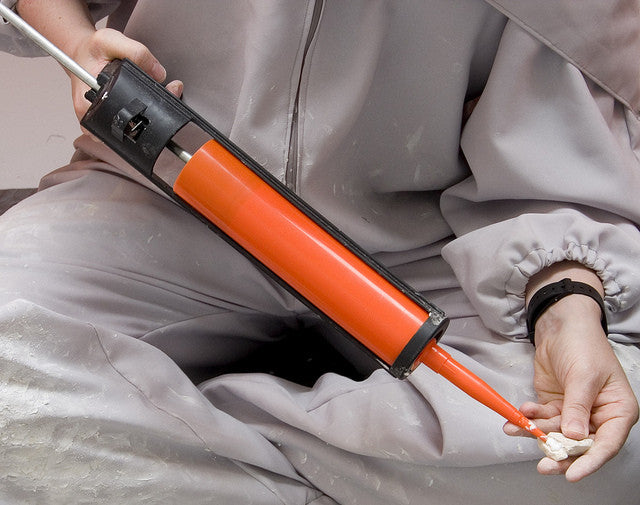
Log home chinking is typically applied by professionals but it is a skill that one can acquire over time. It is important to have the right tools, product and knowledge before starting your own chinking project. Chinking material can be applied through the use of quart tubes, bulk loading guns or industrial machines. Any of the aforementioned methods will work for chinking joints that are less than 3/4”. Bulk loading guns work well for chinking joints that are between 3/4” - 2” because they allow a wider bead of material to be applied as opposed to quart size tubes. Industrial application machines work great for larger chinking joints because they will save you time, energy and material. Bulk loading guns will work as well for chinking larger joints but quart size tubes are not recommended for this type of application.  The following is a list of application tools that you will need in order to successfully apply log home chinking.

  • Lots of foam brushes or a couple trowels
  • Plenty of rags
  • Spray Bottle
  • Mylar Tape
  • Numerous tips for your bulk loading gun
  • Quart size bulk loading guns
  • Utility knife
  • Small cup for water

Applying the chinking material can be more difficult than it looks. It typically requires patience and time before one becomes proficient at the application process. It can be difficult to get a nice clean line because the material can collect on your foam brush or trowel. Also, the material can skin over rather quickly depending on the weather conditions. Misting the chinking material with water will help keep the material from skinning over too quickly. Foam brushes will help keep the material on the logs and not on you. Finally, it is highly recommended to install backer rod before applying any chinking material. Also, the application of the chinking material should not be done when rain is imminent and the temperature should be between 40-90 degrees. Check with the different manufacturers for more product specific details.

For more information about chinking material, application tools or contractor referrals contact Mountain Home Building Products toll free at 800-490-3695.

Chinking Checklist for Homeowners and Professionals

Tuesday, April 22nd, 2008

Chinking a log home requires patience and an artistic touch. It is typically done by professional chinking contractors but can be accomplished by homeowners. Follow the guidelines below for a successful job.

1. Start with clean, dry and sound wood. The moisture content of your wood should be below 20% and rain should not be in the forecast for at least 7 days prior to your start date.

2. Check with the chinking and stain manufacturers to ensure that your finishing products are compatible with each other. It is always a good idea to use a stain and chinking from the same manufacturer in order to avoid any unnecessary problems down the road.

3. Install some form of backing material before applying the chinking material. This will allow the chinking material to expand and contract like a rubber band. Also, it will save you money in chinking material costs.

4. If the width of your chinking joint is greater than 1” it is recommended to use a bulk loading gun. If the width of your chinking joint is smaller than 1” it is recommended to use quart size tubes.

5. Do not apply chinking material in direct sunlight. For more information regarding this problem see our “Chinking Blisters” article.

6. Chinking material should be applied between 40-90 degrees.

7. Start by gunning out a 3′ section of chinking material.

8. Work the chinking material into place with a putty knife, trowel or foam brush. Do not gun out too much chinking material because it will skin over rather quickly and become difficult to tool.

9. If the chinking material does skin over, lightly mist it with water. This will help in spreading the material.

10. Make sure to get good adhesion to the top and bottom of the chinking joint. This can be accomplished by using the right amount of pressure with your tooling instrument.

11. Make sure to get the correct depth of material when applying the chinking. A good rule of thumb is a 1/2”.

12. Have fun with your chinking project. The more chinking material that you apply the better you will become at chinking.

For more information about chinking material, chinking application tools or chinking contractor referrals contact Mountain Home Building Products toll free at 800-490-3695.

Log Home Chinking, Caulking, Staining, Sealing, Re-Chinking, Re-Caulking, Re-Staining, Re-Sealing

Monday, April 14th, 2008

Before or after buying your log home there are certain things every log homeowner should know. Some things might be open for debate but one thing is for sure, your log home will require attention. This doesn’t mean that you will spend all of your waking hours staining, caulking, sealing, chinking, re-caulking, re-chinking and re-sealing. It does mean that you will need to pay attention to your log home like you might pay attention to your car. Below you will find some helpful tips and information to guide you through owning a log home.

  1. Have realistic expectations for the maintenance on your log home. There will be some.
  2. Set up a routine log home maintenance schedule.
  3. Follow a routine log home maintenance schedule.
  4. Apply log stain when your log home needs it. Remember you get what you pay for most of the time. Good log home stains are not cheap but you will save you money in the long run.
  5. Good log home stains will offer about 3 years of protection on the southern exposure of your log home and 4 years of protection on the other sides of your home. These figures are just estimates and will vary depending on a number of factors.
  6. Expect to caulk or chink your log home at some point.
  7. Some log homes require more chinking, caulking and stain than others
  8. Almost all log homes require some chinking or caulking whether it be in the horizontal log joints, the corners of the logs or around your window bucks.
  9. As we mentioned earlier, the better the log stain material the less stain maintenance your logs will require.
  10. Design your log home with maintenance in mind. Remember the less exposure your logs take the less maintenance they will require.
  11. Square logs weather better than round logs.
  12. Log home chinking can be used for aesthetic purposes or as a weather-tite barrier.
  13. Log home caulking should typically blend in with your logs. Conceal caulking by Sashco sets itself apart from all competitors.
  14. Some water based log stain materials are very good while others are very bad.
  15. Some oil based log stain materials are very bad while others are very good.
  16. Your log home stains should be compatible with your log chinking and your log home caulking materials.
  17. The preferred time to maintain your log structure is typically during the summer.
  18. Remember you log home is a dream home. Don’t forget to treat it like one.

For more information about log home caulking , chinking, log home stains or contractor referrals contact Mountain Home Building Products toll free at 800-490-3695.

Log Home Chinking: Top 12 Things You Need to Know?

Sunday, April 13th, 2008

Chinking for your log home can be easy and complicated all at the same time. It is important to follow the guidelines below.

  1. Select the right chinking application contractor for the job. Ask your chinking contractor for references. Most good chinking contractors will not mind sharing this information and will probably provide it before they are asked for it.
  2. Select a chinking material from a reputable chinking manufacturer such as Sashco.
  3. Select the right chinking material for your job. Some types of chinking material have more texture than others.
  4. Select the type of chinking application you desire. Do you want a clean and crisp finish? Are you looking for trowel marks in the material or are you looking for a very rustic appearance with the chinking material?
  5. Inquire with your chinking contractor whether backer rod will be installed. It is highly recommended to install some form of backer rod before installing your log home chinking material.
  6. Select a chinking material that is going to be compatible with your log home stain. If you are unsure about the compatability of your log chinking and your log home stain then speak with the manufacturers of both products.
  7. Inquire about the product warranty. Log Jam chinking is the only chinking that offers a lifetime warranty. Some of the other chinking materials offer 5 and 10 year warranties. Check with your chinking manufacturer for specific details.
  8. Ask your chinking contractor what type of application warranty they will provide after the chinking has been installed. It is standard for chinking application contractors to offer 1-2 year warranties for small repair work.
  9. Cover all details with your chinking contractor. It is much easier to agree on a contract before the job starts as opposed to during the middle of the job. Make sure to speak with your chinking application contractor about all of the horizontal and vertical details. Do you want your chinking to tie in with your drywall? Are you going to want to install chinking in all of your corner joints? Will your door and window trims require chinking?
  10. Inquire about the time frame for the chinking application. It is much better to have the chinking for the exterior of your log home done during the summer and fall seasons. The chinking can be done during the winter and springs seasons but more precautions need to be taken in order to get the job done right.
  11. Agree with your chinking contractor on who is going to purchase the chinking material.
  12. Finally, make sure your chinking color selection is agreed upon. Once again, it will become difficult to make color changes after the job has been started.

For more information about chinking material, chinking application tools or chinking contractor referrals contact Mountain Home Building Products toll free at 800-490-3695.

Chinking: Log Cabin Chinking: Who Makes Chinking?

Saturday, April 12th, 2008

Chinking material has been around for centuries. It has seen many changes over time. Typically chinking material is designed to keep the elements outside of a log structure. Also, it can be used solely for aesthetic purposes.

Who makes chinking? Well, there are 3 main chinking manufacturers that supply the majority of the chinking for the current log home industry. These companies are Sashco, Weatherall and Permachink.

Sashco is located in Brighton, Colorado. Sashco has been in business for over 75 years. Permachink is located in Redmond, Washington while Weatherall is located in Charlestown, Indiana. It is unclear and widely disputed who first introduced synthetic chinking to the log home industry. At this point it doesn’t really matter. What does matter is finding the right company that is going to stand behind their chinking material. Additionally, all three companies manufacture log home stains. I mention this because your log home stain and chinking must be compatible to avoid any adhesion problems. Typically, if a company manufacturers both chinking and caulking then it is a pretty safe bet that their products are going to be compatible with each other. Check with each product manufacturer before applying either material.

Chinking for log homes can be purchased in 5 gallon buckets of quart size tubes. Chinking colors range from white white, mortar white, buff, tan, woodtone cedar, gray, light gray, khaki and pecan. Chinking material is typically purchased by contractors but is available for sale to homeowners. We recommend using Log Jam chinking for the following reasons.

  • It is the only chinking that has a 1 hour UL fire rating.
  • It is the only chinking material that is freeze thaw stable.
  • It is the only chinking material that offers a lifetime warranty.
  • It is highly elastic and outperforms almost any other product on the market.
  • It is the choice of most chinking contractors.
  • It is available in 7 standard colors and any custom color can be created.

For more information about chinking material, chinking application tools or chinking contractor referrals contact Mountain Home Building Products toll free at 800-490-3695.

Log Cabin Chinking & Log Home Stain: Should I Apply Cabin Chinking or The Stain For My Logs First

Saturday, April 12th, 2008

When building a log home there are many important decisions to make during the building process. Each one is important because typically they will have an impact on your next decision. When it comes to selecting the chinking and stain for your log home these tasks should not be overlooked.

It is important to choose a chinking material based on the following criteria.

  • The chinking material should be compatible with your log home stain.
  • The log home chinking should come with a lifetime warranty from the manufacturer.
  • The cabin chinking should come from a reputable manufacturer.
  • The chinking material should have a 1 hour UL fire rating if you require chinking material on your garage wall. Log Jam chinking by Sashco is the only chinking available that meets this criteria.
  • Your chinking contractor should be comfortable with your chinking selection.

It is important to choose a stain material based on the following criteria.

  • The log home stain should be compatible with your chinking material. This will ensure that the chinking material gets proper adhesion and can perform properly.
  • The stain material should be designed for log homes. This is important because not all stains can weather the elements like a log stain.
  • The log stain can be water or oil based but should be a high end product. You will pay more in the beginning for a good log home stain product but you will save money in the long run.
  • The log stain should be compatible with some type of exterior clear finish such as Cascade. This will make your log stain maintenance work quite a bit easier and much more economical.
  • Choose a stain that provides you the color that you like but remember that there will be worked involved to keep it this color.

Most chinking materials will accept stain which is why it is recommended to stain first. This is the common process because most people want to keep a color contradiction between the chinking and the logs. Also, the stain will cover some dirt, dust or grease which will allow the chinking to get better adhesion. Finally, it is recommended to let your stain set up for 7-10 days before beginning the chinking process. This will provide the chinking applicator an easier time when cleaning the chinking material from your house logs.

For more information about chinking material, chinking application tools or chinking contractor referrals contact Mountain Home Building Products toll free at 800-490-3695.

Does Your Log Home Need Chinking: Chinking Mistakes to Avoid

Saturday, April 12th, 2008

Chinking for log homes can be used for aesthetic reasons or can be done to ensure the elements stay outside. Some homeowners like the look of chinking while others don’t want to see any chinking on their home. Typically chinking is required on your log home if you meet any of the following criteria:

  • Can you stick your hand from the inside of your log home to the outside?
  • Do you want the joint between your logs to stand out?
  • Do you want the joint between your logs to be greater than 3/4”?

If you answered yes to any of the above questions then most likely your home will require chinking material. Chinking is designed to stand out from your logs because of the heavy surface texture and the available colors. It is important to remember that chinking can only do so much. The performance of the chinking will depend a lot on the application of the material. When applying chinking take the following items into consideration:

  • House Logs that exceed a 20% moisture content will put an abnormal amount of stress on a chinking joint.
  • Large house logs will require a wider chinking joint.
  • Chinking joints should be approximately 1/12” the size of the diameter of your house logs. (Example: A 12” log would require a 1” chinking joint.)
  • Chinking performs best when it has 2-point adhesion. This is accomplished by using some form of backer rod.
  • Chinking should be applied between 40-90 degrees.
  • Chinking typically takes 3 weeks to fully cure.
  • Chinking will remain pliable throughout the lifetime of the product.
  • Chinking should be done after a compatible stain is applied.

In conclusion, chinking for log homes can provide a weather-tite seal or aesthetic appeal. In either case, it is important to remember that the material will perform much better if the proper guidelines are followed. Check with the different chinking manufacturers for warranty information. I recommend Log Jam chinking by Sashco because it is the only chinking that offers a lifetime warranty.

For more information about chinking material, chinking warranties, chinking application tools or chinking contractor referrals contact Mountain Home Building Products toll free at 800-490-3695 or send an email to cs@mountainhomebuildingproducts.com.

How to Apply Log Home Chinking Material

Monday, April 7th, 2008

Chinking a log home requires patience and an artistic touch. It is typically done by professional chinking contractors but can be accomplished by homeowners. Follow the guidelines below for a successful job.

  1. Ensure that your wood is clean and dry before starting your chinking job. The moisture content of your wood should be below 20%. Rain should not be in the forecast for at least 7 days. Also, make sure that your stain and chinking are compatible.
  2. Install some form of backing material before applying the chinking material. This will allow the chinking material to expand and contract like a rubber band and save you money in chinking material costs.
  3. Use a bulk loading gun for chinking joints that are an average of 1” or greater and quart size tubes for smaller joints.
  4. The chinking material should be applied between 40-90 degrees. Do not apply the chinking material in direct sunlight. This could lead to blisters in the chinking material which are not fun to repair.
  5. Start by gunning a 3′ section of chinking material onto the wood substrate, smooth it out with a putty knife, trowel or foam brush. Do not gun to much chinking material to start with because it will skin over rather quickly and become difficult to tool.
  6. If the chinking material does skin over, lightly mist it with water. This will help in spreading the material.
  7. Make sure to get good adhesion to the top and bottom of the chinking joint. This can be accomplished by using the right amount of pressure with your tooling instrument.
  8. Make sure to get the correct depth of material when applying the chinking. A good rule of thumb is a 1/2”.
  9. Use a foam brush or rag to clean up the chinking material as you are applying it. It will become a major project to wait and clean it up at the end of the day.
  10. Have fun with your chinking project. The more chinking material that you apply the better you will become at chinking.

For more information about chinking material, chinking application tools or chinking contractor referrals contact Mountain Home Building Products toll free at 800-490-3695 or send an email to cs@mountainhomebuildingproducts.com.